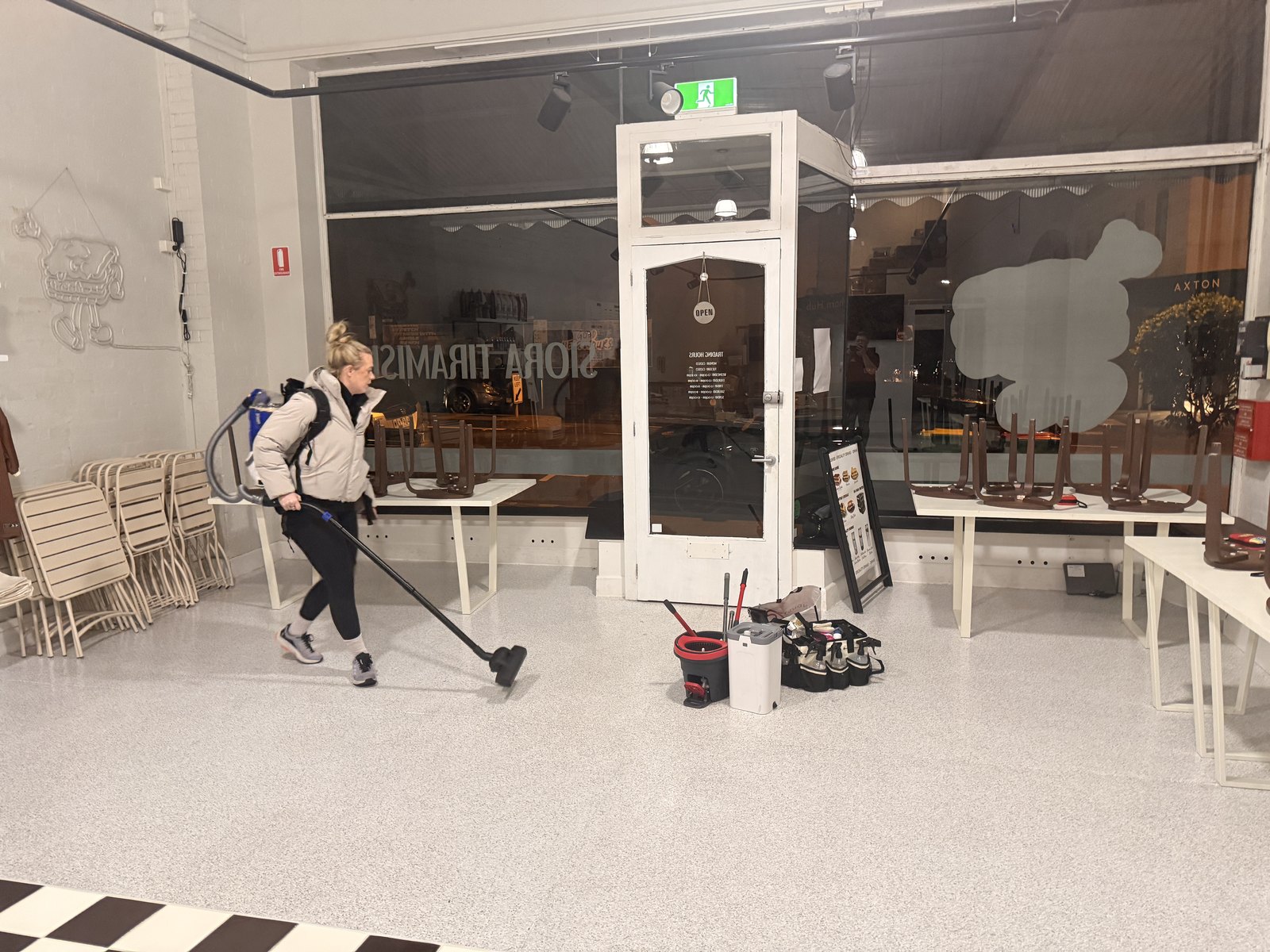
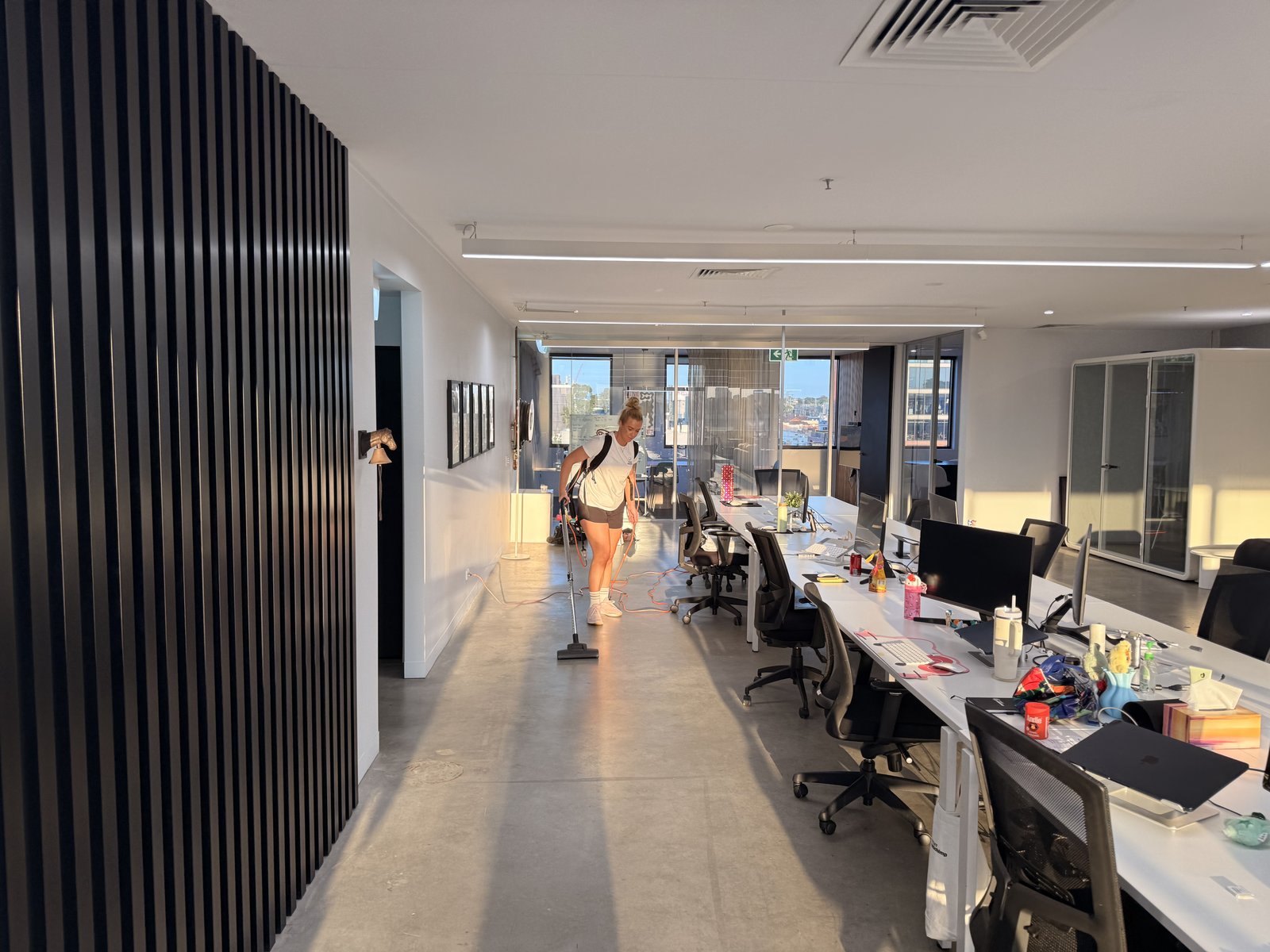
Reducing Cleaning Costs with Better Scheduling

Cleaning smarter can save money without sacrificing quality. Many businesses overspend by cleaning all areas the same way, regardless of usage. High-traffic areas like kitchens and receptions need daily attention, while low-traffic spaces like storage rooms can be cleaned weekly. Aligning cleaning schedules with space usage reduces labour costs – often 60–80% of total cleaning expenses – and maintains hygiene standards.

Key takeaways to lower costs:

  • Match cleaning to usage: Clean busy areas daily, low-traffic zones weekly.
  • Avoid after-hours penalties: Schedule during standard weekday rates to save on higher weekend wages.
  • Use data and zones: Track space usage and divide facilities into zones for efficient cleaning.
  • Bundle services: Combine tasks like waste management and deep cleaning in one visit to reduce call-out fees.

Common Problems with Cleaning Schedules

Many businesses stumble into predictable traps when creating cleaning schedules. These missteps don’t just waste money – they can inflate annual cleaning costs by thousands, all without improving cleanliness. Let’s break down the three most common issues.

Cleaning All Areas at the Same Frequency

One major mistake is treating every space as if it sees the same level of use. For instance, cleaning high-traffic reception areas and low-use storage rooms daily is a costly habit. Labour costs for cleaners range from $35 to $75 per hour in 2026, and for a 2,000-square-foot (approximately 186 m²) space, regular cleaning can cost $200 to $400 per visit. Deep cleaning costs even more – $240 to $500 per visit. Over-servicing low-traffic areas eats into budgets unnecessarily.

Beyond the financial hit, overusing cleaning equipment in low-use areas can lead to faster wear and tear. Floor scrubbers and buffers, for example, require more frequent maintenance when used excessively, which only adds to costs.

"The cleaning team should be trained to identify areas that require special attention like spots, stains, and high traffic areas. Attention to detail can help maintain a pristine environment and ensure client satisfaction." – The Janitorial Store

Poor After-Hours Planning

Cleaning during after-hours is another costly mistake. From 1 July 2025, a casual Level 1 cleaner earns $58.16 per hour on Sundays – nearly double the weekday rate of $32.31. Saturday rates are also higher, at $45.24 per hour. If your cleaning schedule unnecessarily includes weekends or late-night shifts, you’re likely paying steep penalty rates for work that could have been done during standard weekday hours.

Splitting shifts is another budget killer. Dividing an employee’s hours across a single day triggers additional allowances, further driving up costs. Similarly, relying on casual staff for predictable, recurring shifts is inefficient. Casual workers receive a 25% loading, compared to the 15% loading for part-time employees.

Ignoring Usage Data

Basing cleaning schedules on assumptions rather than actual usage is a widespread problem. With hybrid work becoming the norm, office occupancy can vary significantly – think 30 people on a Monday but 80 on a Wednesday. Cleaning every area as if it’s fully occupied every day wastes money.

Without tracking how spaces are used – like which meeting rooms are booked or which desks see the most traffic – managers often default to a one-size-fits-all approach. This leads to high-touch areas being overlooked while low-traffic zones are over-cleaned, increasing costs without improving cleanliness.

How to Cut Cleaning Costs with Better Scheduling

Zone-Based Cleaning Schedule: Frequency and Maintenance Guide

Zone-Based Cleaning Schedule: Frequency and Maintenance Guide

You don’t need to completely overhaul your cleaning routine to save money. A few strategic adjustments can reduce costs while maintaining cleanliness standards. Here’s how.

Match Cleaning Frequency to Space Usage

Not all areas of a facility need the same level of attention. High-traffic spaces like receptions, lifts, and kitchens demand daily cleaning, while meeting rooms and workstations can often be cleaned every 2–3 days. Storage rooms or utility areas? Weekly might be enough. Adjusting your cleaning schedule to match actual usage can eliminate unnecessary labour.

Start by conducting a facility audit to understand how each space is used. In hybrid offices, focus your cleaning efforts on high-occupancy days. For instance, if 30 people use the office on Monday but 80 show up on Wednesday, your cleaning schedule should reflect that.

In shared-desk setups, prioritise high-touch areas like phones, lift buttons, door handles, and shared equipment. Cleaning these daily can maintain hygiene without wasting resources on less-used spaces. Once you’ve tailored cleaning to space usage, you can take it a step further by introducing zones.

Use Zone-Based Cleaning Schedules

Breaking your facility into zones can make cleaning more efficient. Assigning specific zones to individual cleaners not only builds a sense of responsibility but also helps them build rapport with tenants. It also reduces monotony, which can improve service quality.

Here’s a simple zoning framework:

Zone Type Example Areas Cleaning Frequency Maintenance Frequency
High Traffic Reception, lifts, kitchens, bathrooms Daily Weekly
Moderate Traffic Workstations, meeting rooms Every 2–3 days Monthly
Low Traffic Storage, utility rooms, file rooms Weekly Quarterly

To ensure thorough cleaning without overwhelming your team, divide the facility into four or five sections. Assign one section per day for detailed tasks like deep vacuuming or window cleaning. This rotation ensures every area gets attention monthly while keeping the workload manageable. Plus, regular zone-based maintenance can cut long-term repair costs by up to 40% and extend the life of carpets, floors, and other assets.

Another tip? Use a two-pass cleaning system. On the first pass, focus on rubbish removal, dusting, and sanitising. On the second, tackle vacuuming and security checks like locking doors or turning off lights. Posting cleaning routes in janitorial closets can help maintain consistency across shifts.

"Cleaning removes dirt; maintenance prevents disruption." – Cleancorp

And if you’re looking to take efficiency to the next level, technology can be a game-changer.

Use Software to Plan Cleaning Routes

Scheduling software simplifies the process of planning and managing cleaning tasks. Modern tools can integrate with occupancy sensors or desk-booking systems, allowing you to clean based on actual usage. For example, if a meeting room wasn’t used on Tuesday, there’s no need to clean it that day.

These platforms can automate recurring jobs, manage payments, and even handle quoting, cutting down on admin work and reducing errors. Reporting features let you compare billable hours to actual job costs, so you can ensure your optimised schedule stays on track. Some software can even suggest additional services – like appliance cleaning or window washing – through digital booking forms, creating opportunities for extra revenue.

For hybrid offices, software can dynamically adjust cleaning schedules in response to real-time occupancy data. This prevents over-servicing on quieter days while ensuring high-traffic periods get the attention they need.

A digital maintenance log at reception can further streamline operations, showing clients that no task has been overlooked. The result? Lower costs, better service, and a cleaning schedule that works smarter, not harder.

Combine Services to Lower Costs

Efficient scheduling is just the start – combining services takes cost-saving to the next level. By grouping cleaning tasks into a single visit, you can significantly reduce expenses. Instead of booking separate visits for routine cleaning, waste management, and deep cleaning, bundling these services eliminates extra call-out fees and minimises disruptions to your daily business activities.

Schedule After-Hours Cleaning with Other Tasks

Pairing after-hours cleaning with other maintenance tasks is another smart way to cut costs. For instance, you could combine floor waxing, carpet cleaning, and window washing with your regular after-hours cleaning. This approach ensures the building is accessed only once, reducing labour costs and avoiding interruptions during your busiest hours.

Additionally, scheduling quarterly deep cleaning sessions can prevent grime build-up and help avoid costly repairs. For commercial carpets, professional cleaning is typically recommended every 6 to 12 months, though high-traffic areas might need more frequent attention. To balance costs and ensure thorough care, you can rotate intensive cleaning tasks across different areas. For example:

  • Zone A in January
  • Zone B in April
  • Zone C in July
  • Zone D in October

This rotation strategy spreads out expenses while keeping all areas well-maintained.

Cost Comparison: Standard vs. Optimised Scheduling

When comparing traditional cleaning methods with bundled and optimised scheduling, the cost advantages become clear. Deep cleaning, for instance, is generally 50% to 100% more expensive than standard cleaning due to the added labour and specialised equipment needed. However, recurring service packages – such as weekly or fortnightly arrangements – offer a consistently lower per-visit rate compared to one-off jobs.

Scheduling Approach Typical Cost Impact Key Difference
Standard Scheduling $120–$280 per standard visit Uniform cleaning with reactive deep cleaning only when necessary
Optimised Scheduling $240–$500 per deep clean visit Tailored frequency based on space usage; includes proactive quarterly cleaning
Bundled Services Reduces call-out fees Combines routine cleaning, waste management, and specialised tasks in one visit

Although after-hours cleaning typically comes at a premium, bundling it with other scheduled maintenance tasks ensures you’re not paying that premium multiple times. This approach boosts efficiency and keeps overall costs manageable. By combining services and tailoring your cleaning schedule, you can achieve significant savings without sacrificing quality.

Conclusion

Better scheduling goes beyond simply rearranging tasks – it directly addresses the largest expense in commercial cleaning: labour. For most businesses, labour accounts for 60–80% of total cleaning costs. By aligning cleaning schedules with actual space usage, introducing zone-based routines, and consolidating services into fewer visits, Melbourne businesses can lower expenses without compromising the professional appearance of their facilities.

As Archie Heinl, Janitorial Manager, puts it:

"Smart scheduling turns a daily challenge into a strategic advantage. By strategically planning when, where, and how many employees work each job, you can reduce labour costs while improving service quality."

Moving from reactive cleaning practices to proactive, data-driven planning allows for more efficient team deployment. These strategies not only reduce costs but also ensure consistent, reliable service – something clients notice and appreciate.

FAQs

How do I audit which areas actually need daily cleaning?

To identify areas that need daily cleaning, start by observing how different parts of your premises are used and their overall condition. Pay special attention to high-traffic or high-touch areas such as entrances, restrooms, kitchens, and shared spaces, as these typically demand more frequent cleaning.

Perform regular visual inspections to spot dirt, wear, or other signs of heavy use. Additionally, ask staff for input on areas that often seem unclean or neglected. By reviewing this information consistently, you can fine-tune cleaning schedules to focus resources where they’re needed most, all while maintaining hygiene and safety standards.

What’s the best way to shift cleaning to weekdays without disruption?

To make the shift to weekday cleaning seamless, start by planning and communicating the new schedule well ahead of time. This gives everyone involved a chance to adjust. Gradually tweak routines to reduce interruptions, prioritising high-traffic areas when they’re busiest and scheduling deep cleaning for quieter periods. Make sure there’s enough staff on hand during the transition to keep things running smoothly. For more specialised tasks, you might want to look into professional services like Withers Solutions in Melbourne. A well-thought-out plan and open communication will make the process much easier.

Which usage data should I track to reduce cleaning costs?

Tracking essential data, such as the time spent on each cleaning task and how often supplies are used, can help lower cleaning costs. By analysing this information, you can pinpoint inefficiencies, adjust schedules, and minimise waste. Keeping an eye on these metrics ensures tasks are done efficiently, avoids unnecessary overlaps, and cuts down on labour and material expenses – all while upholding hygiene and safety standards.

Related Blog Posts

Leave a Reply

Discover more from

Subscribe now to keep reading and get access to the full archive.

Continue reading